Saint Patrick's Day

Saint Patrick’s Day, feast day (March 17) of St. Patrick, patron saint of Ireland. Born in Roman Britain in the late 4th century, he was kidnapped at the age of 16 and taken to Ireland as a slave. He escaped but returned about 432 to convert the Irish to Christianity. By the time of his death on March 17, 461, he had established monasteries, churches, and schools. Many legends grew up around him—for example, that he drove the snakes out of Ireland and used the shamrock to explain the Trinity. Ireland came to celebrate his day with religious services and feasts.
- History of St. Patrick’s Day
- Tips for Celebrating St. Patrick’s Day in Dublin, Ireland
- The Do's and Don'ts of St. Patrick's Day in Ireland
- How to Celebrate St. Patrick's Day
- 6 essential St. Patrick's Day traditions, myths and more
- St Patrick’s Day Celebrations & Traditions
- Saint Patrick's Day Traditions
- St. Patrick’s Day Traditions
- Saint Patrick's Day
- 22 things you never knew about St. Patrick's Day
- 25 Little Known Facts About St. Patrick’s Day
- Bet you didn't know these 10 things about St. Patrick and Ireland!
- 9 Interesting St. Patrick’s Day Facts
- St. Patrick’s Day Facts
- Fun facts about St. Patrick's Day - One month away
- 15 Things You Might Not Know About St. Patrick’s Day
- Saint Patrick’s Day 2018 Facts
- St patrick Everything You Need To Know
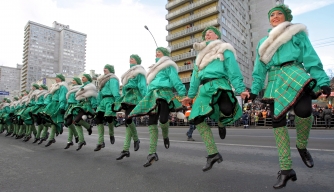
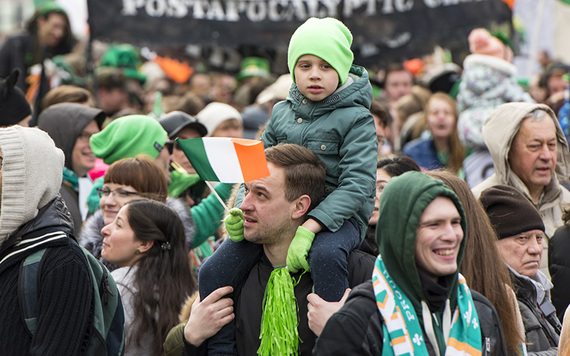
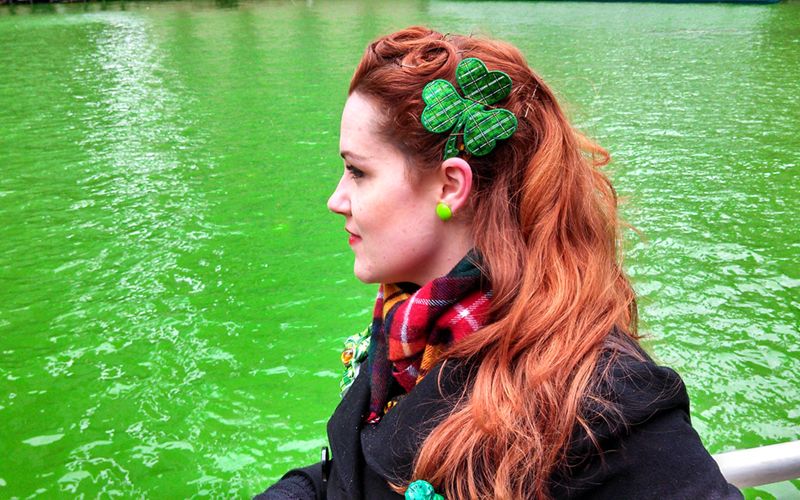
It was emigrants, particularly to the United States, who transformed St. Patrick’s Day into a largely secular holiday of revelry and celebration of things Irish. Cities with large numbers of Irish immigrants, who often wielded political power, staged the most extensive celebrations, which included elaborate parades. Boston held its first St. Patrick’s Day parade in 1737, followed by New York City in 1762. Since 1962 Chicago has coloured its river green to mark the holiday. (Although blue was the colour traditionally associated with St. Patrick, green is now commonly connected with the day.) Irish and non-Irish alike commonly participate in the “wearing of the green”—sporting an item of green clothing or a shamrock, the Irish national plant, in the lapel. Corned beef and cabbage are associated with the holiday, and even beer is sometimes dyed green to celebrate the day. Although some of these practices eventually were adopted by the Irish themselves, they did so largely for the benefit of tourists.
Saint Patrick’s Day
Keep reading for more facts about St. Patrick’s Day or download our BIGGEST worksheet collection yet with a whopping 45 pages of activities which can be utilised within the classroom or home environment.
Quick Key Facts
- St. Patrick’s Day is an annual feast day celebrating the patron saint the day is named after.
- St. Patrick’s Day is the national holiday of Ireland and is usually celebrated on March 17.
- St. Patrick’s Day has become a popular holiday in the United States. People wear green and eat corned beef and cabbage.
- It is believed St. Patrick, a Roman-Britain-born Christian missionary, was born in the late fourth century and is credited with bringing Christianity to the Irish people.
- It is also believed St. Patrick drove all the snakes out of Ireland. However, post-glacial Ireland never actually had snakes. Many believe that the term “snakes” referred to the serpent symbolism of the Druids of that time and place. Today, there are no snakes to be found!
- Most people, whether they are Irish or not, wear green on this day. One of the Irish traditions is to pinch anyone who is not wearing green on St. Patrick’s Day.
15 Things You Might Not Know About St. Patrick’s Day

1. We Should Really Wear Blue
Saint Patrick himself would have to deal with pinching on his feast day. His color was “Saint Patrick’s blue,” a light shade. The color green only became associated with the big day after it was linked to the Irish independence movement in the late 18th century.2. Saint Patrick Was British
Although he made his mark by introducing Christianity to Ireland in the year 432, Patrick wasn’t Irish himself. He was born to Roman parents in Scotland or Wales in the late fourth century.3. The Irish Take Saint Patrick’s Day Seriously
As you might expect, Saint Patrick’s Day is a huge deal in his old stomping grounds. It’s a national holiday in both Ireland and Northern Ireland.4. So Do New Yorkers
New York City’s Saint Patrick’s Day Parade is one of the world’s largest parades. Since 1762, 250,000 marchers have traipsed up Fifth Avenue on foot – the parade still doesn’t allow floats, cars, or other modern trappings.5. Chicago Feels Lucky, Too
New York may have more manpower, but Chicago has a spectacle all its own. The city has been celebrating Saint Patrick by dumping green dye into the Chicago River since 1962. It takes 40 tons of dye to get the river to a suitably festive shade!Fun facts about St. Patrick's Day - One month away
St. Patrick's Day is the one day a year where everyone is a little bit Irish but how much do you know about the day?
St. Patrick’s Day is the one day a year where everyone is a little bit Irish. In fact, almost 12 percent of Americans claim Irish ancestry and over 80 million people worldwide claim an ancestral connection to the auld sod. With St. Patrick's Day celebrated across the world, did you ever wonder how much you actually know about Ireland's biggest national holiday?Here are our top facts about St. Patrick's Day. Let us know how well you do in the comments section!
St. Patrick was not Irish
He was, in fact, from Wales.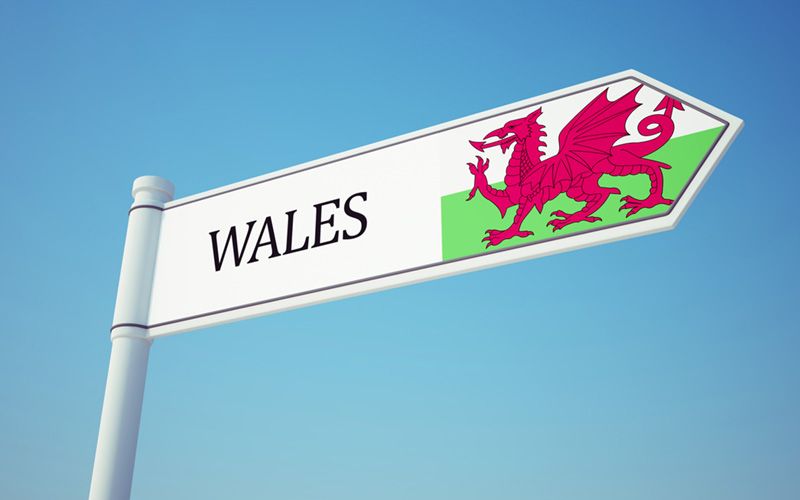
9
Did you know where St. Patrick originally came from? Image: Getty Images
The shamrock was originally a teaching tool
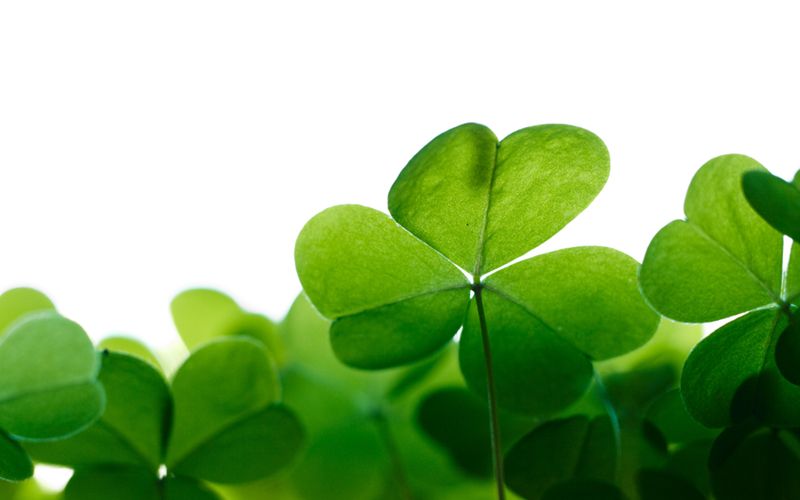
St. Patrick is said to have used the three-leaved plant to explain the Holy Trinity (Father, Son, and Holy Spirit) to the pagan Irish. This is not necessarily true, but a nice sentiment regardless.St. Patrick’s Day Facts
St. Patrick’s Day 2018 occurs on Saturday, March 17, in observance of the death of St. Patrick, the patron saint of Ireland. What began as a religious feast day in the 17th century has evolved into a variety of festivals across the globe celebrating Irish culture with parades, special foods, music, dancing, and a whole lot of green.9 Interesting St. Patrick’s Day Facts

Happy St. Patrick’s Day!
Every March 17, countries around the world celebrate St. Patrick’s Day in observance of the death of St. Patrick, the patron saint of Ireland credited for bringing Christianity to the country. Initially a religious feast day in the 17th century, St. Patrick’s Day has evolved into a day of celebrating Irish culture with parades, music, dancing, special foods, and of course, a lot of green.
In honor of St. Patrick’s Day, here are a few interesting St. Patrick’s Day facts!
Saint Patrick’s Day 2018 Facts
- Saint Patrick didn’t wear green. His color was “Saint Patrick’s blue.” The color green became associated with St. Patrick’s Day after it was linked to the Irish independence movement in the late 18th century.
- Despite his Irish notoriety, Saint Patrick was British. He was born to Roman parents in Scotland or Wales in the late fourth century.
- According to Irish legend, Saint Patrick used the shamrock as a metaphor for the Holy Trinity when he was first introducing Christianity to Ireland.
- Saint Patrick is credited for driving the snakes out of Ireland, but according to the fossil record, Ireland has never been home to snakes as it was too cold to host reptiles during the Ice Age. The surrounding seas have kept snakes out since.
- There isn’t any corn in the traditional St. Patrick’s Day meal of corned beef and cabbage. The name is a reference to the large grains of salt historically used to cure meats, which were also known as “corns.”
- Saint Patrick was born “Maewyn Succat” but changed his name to “Patricius” after becoming a priest.
Saint Patrick's Day
- Irish immigrants began observing St. Patrick’s Day in Boston in 1737 and the first St. Patrick’s Day parade in America was held in New York City in 1766.
- In Chicago, the Plumbers Local 110 union dyes the river Kelly green. The dye lasts for around five hours.
- On or around St. Patrick’s Day, the Irish taoiseach, or prime minister, presents the U.S. president with a crystal bowl of live shamrocks as a symbol of the close ties between the two countries.
Saint Patrick’s Day 2018 Facts
The most kids know of St. Patrick 's Day is that you must wear green or
you'll get a pinch from your friends. Adults see the day as an occasion
to celebrate, sometimes with green beer and other assorted alcoholic
beverages. However, few really know what they are celebrating or why the
holiday is so important, particularly in the Americas.
The following 10 facts may help you to better enjoy this popular holiday.
- 10. March 17th is when Patrick died.
- Saint Patrick is a saint of the Catholic Church, and his holy day is the day of his death, and subsequent entrance to heaven, rather than the day of his physical birth. After spending most of his adult life converting the pagans of Ireland to Christianity, St. Patrick went to his reward on March 17, 461 AD.
- 9. St. Patrick wasn't Irish.
- St. Patrick wasn't Irish, and he wasn't born in Ireland. Patrick's parents were Roman citizens living in modern-day England, or more precisely in Scotland or Wales (scholars cannot agree on which). He was born in 385 AD. By that time, most Romans were Christians and the Christian religion was spreading rapidly across Europe.
- 8. St. Patrick was a slave.
- At the age of 16, Patrick had the misfortune of being kidnapped by Irish raiders who took him away and sold him as a slave. He spent several years in Ireland herding sheep and learning about the people there. At the age of 22, he managed to escape. He made his way to a monastery in England where he spent 12 years growing closer to God.
- History of St. Patrick’s Day
- Tips for Celebrating St. Patrick’s Day in Dublin, Ireland
- The Do's and Don'ts of St. Patrick's Day in Ireland
- How to Celebrate St. Patrick's Day
- 6 essential St. Patrick's Day traditions, myths and more
- St Patrick’s Day Celebrations & Traditions
- Saint Patrick's Day Traditions
- St. Patrick’s Day Traditions
- Saint Patrick's Day
- 22 things you never knew about St. Patrick's Day
- 25 Little Known Facts About St. Patrick’s Day
- Bet you didn't know these 10 things about St. Patrick and Ireland!
- 9 Interesting St. Patrick’s Day Facts
- St. Patrick’s Day Facts
- Fun facts about St. Patrick's Day - One month away
- 15 Things You Might Not Know About St. Patrick’s Day
- Saint Patrick’s Day 2018 Facts
- St patrick Everything You Need To Know
- 7. St. Patrick used the shamrock to preach about the trinity.
- Many claim the shamrock represents faith, hope, and love, or any number of other things but it was actually used by Patrick to teach the mystery of the Holy Trinity, and how three things, the Father, The Son, and the Holy Spirit could be separate entities, yet one in the same. Obviously, the pagan rulers of Ireland found Patrick to be convincing because they quickly converted to Christianity.
- 6. Legend says St. Patrick drove all the snakes from Ireland.
- According to legend, St. Patrick drove all the snakes, or in some translations, "toads," out of Ireland. In reality, this probably did not occur, as there is no evidence that snakes have ever existed in Ireland, the climate being too cool for them to thrive. Despite that, scholars suggest that the term "snakes" may be figurative and refer to pagan religious beliefs and practices rather than reptiles or amphibians.
- 5. Patrick's color is blue.
- The original color associated with St. Patrick is blue, not green as commonly believed. In several artworks depicting the saint, he is shown wearing blue vestments. King Henry VIII used the Irish harp in gold on a blue flag to represent the country. Since that time, and possibly before, blue has been a popular color to represent the country on flags, coats-of-arms, and even sports jerseys.
Saint Patrick’s Day 2018 Facts
25 Little Known Facts About St. Patrick’s Day
Did you know that St. Patrick wasn’t Irish? Or that green wasn’t even his color? These are 25 little known facts about St. Patrick’s Day.St. Patrick was actually not Irish, he was English.

24
His given name was Maewyn Succat

23
He was kidnapped at the age of 16 and taken to Ireland as a slave

22
He tended sheep for 10 years in Ireland before escaping back to England and taking refuge in a monastery.

21
He became a priest and later on took his teachings back to Ireland where he established the Christian Church which got him in trouble with Celtic druids on several occasions

As St. Patrick’s Day draws closer, we’ll soon be searching for that
green Shamrock shirt, scanning Pinterest for (easy) Corned Beef recipes
and picking up a little whiskey or Guinness to get ready for the
celebration.
Saint Patrick's Day
Sure we love to celebrate St. Patrick’s Day, but where did these traditions come from and how are we celebrating them today? We’ve picked some of the most interesting St. Patrick’s Day facts and tidbits for you to share in your party conversations!
Here are 15 of our favorite facts and tidbits about St. Patrick’s Day:
22 things you never knew about St. Patrick's Day
Saint Patrick’s Day 2018 Facts
St. Patrick's Day is celebrated around the world, but the festivities can get particularly rowdy in the US.
Financial website WalletHub put together the below infographic, which highlights some of the most interesting facts about how Americans spend St. Patty's Day.For instance, did you know that the first St. Patrick's Day parade took place in 1737 in Boston, and not in Ireland? Or that there's a 70% increase in cabbage shipments during the week of St. Patrick's Day?
Keep scrolling for more.

Source: WalletHub
- History of St. Patrick’s Day
- Tips for Celebrating St. Patrick’s Day in Dublin, Ireland
- The Do's and Don'ts of St. Patrick's Day in Ireland
- How to Celebrate St. Patrick's Day
- 6 essential St. Patrick's Day traditions, myths and more
- St Patrick’s Day Celebrations & Traditions
- Saint Patrick's Day Traditions
- St. Patrick’s Day Traditions
- Saint Patrick's Day
- 22 things you never knew about St. Patrick's Day
- 25 Little Known Facts About St. Patrick’s Day
- Bet you didn't know these 10 things about St. Patrick and Ireland!
- 9 Interesting St. Patrick’s Day Facts
- St. Patrick’s Day Facts
- Fun facts about St. Patrick's Day - One month away
- 15 Things You Might Not Know About St. Patrick’s Day
- Saint Patrick’s Day 2018 Facts
- St patrick Everything You Need To Know